There comes a point in life when the weight of mistakes, regrets, or pain feels unbearable. It’s in those moments that the lie whispers: you’ve gone too far, there’s no coming back. For many, that lie becomes the lens through which they see themselves, disqualified, unworthy, and forgotten. But stories like Cynthia Spiers Sims’ memoir, Broken Heart, Healed Heart, remind us that hope is never out of reach, no matter how far gone we may feel.
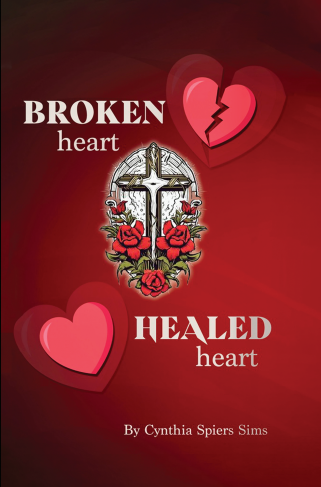
Cynthia’s life is proof of this. Her journey was marked by childhood trauma, addiction, incarceration, and the heartbreaking loss of her children. By any measure, these were crushing experiences that could have defined her forever. But in the middle of her darkest moments, she discovered something life-changing: God’s hope is stronger than despair, and His grace is deeper than failure. Her story becomes a powerful testimony for anyone who believes their past disqualifies them from a future.
So how do you find hope when you feel too far gone? First, by realizing you are not alone. Isolation convinces us that we’re the only ones who have failed this badly or fallen this far. Cynthia’s memoir breaks that silence. She shares her struggles with honesty so that others can see themselves in her story. Knowing that someone else has walked through the valley and found the strength to rise again can spark the first flicker of hope in us.
Second, finding hope requires looking beyond ourselves. Cynthia’s turning point came not from trying harder, but from surrendering her brokenness to God. In doing so, she discovered that hope is not rooted in what we can achieve but in who He is. For readers, this reminder is vital: our hope does not depend on our perfection but on His promise to restore and redeem.
Third, hope grows in community. Cynthia did not heal alone. Support from mentors, ministries, and faith-based groups became anchors in her journey of recovery. They reminded her that she was not forgotten and that healing was possible. For anyone feeling too far gone, community can be the lifeline that keeps hope alive. It may look like a church group, a trusted friend, or a recovery program, but it’s proof that healing happens best when we walk with others.
Finally, finding hope means believing that your story is not over. Cynthia’s journey shows that the chapters of failure and loss are not the conclusion; they are the setup for redemption. What seemed like the end of her story became the place where God began to write something new. That truth applies to each of us: it’s never too late for grace to step in.
If you have ever felt too far gone, Cynthia’s testimony will encourage you. Broken Heart, Healed Heart is more than a memoir. It’s an invitation to believe in the possibility of restoration. It is going to be available soon, and it may be the story you need to remind you that hope is always closer than you think.